The Invisible Engine Behind Modern Life Science Innovation
Few technologies have contributed more profoundly to the progress of modern life sciences than In Vitro Diagnostics (IVD).
While breakthrough therapies, gene-editing technologies, and precision medicines often attract public attention, the reality is that none of these innovations can advance without the ability to accurately measure, identify, monitor, and understand biological processes. IVD serves as the critical bridge between biological discovery and real-world healthcare application.
From the identification of infectious diseases and cancer biomarkers to the development of targeted therapies and next-generation sequencing technologies, IVD has become one of the foundational pillars supporting the entire life sciences ecosystem.
As healthcare systems worldwide transition toward precision medicine, personalized treatment, and data-driven decision-making, the strategic importance of IVD continues to expand far beyond traditional clinical diagnostics. Today, it influences virtually every stage of scientific research, drug development, disease prevention, and population health management.
This article explores how IVD has become one of the most powerful catalysts driving innovation across the life sciences sector.
Understanding IVD Within the Life Sciences Ecosystem
In Vitro Diagnostics refers to tests performed on biological samples such as blood, urine, saliva, tissue, or other specimens outside the human body to detect diseases, monitor health conditions, or assess biological functions.
The global IVD industry encompasses a wide range of technologies, including:
- Clinical Chemistry
- Immunoassays
- Molecular Diagnostics (covering core platforms such as PCR and Next-Generation Sequencing (NGS))
- Point-of-Care Testing (POCT)
- Companion Diagnostics (CDx)
- Microbiology Diagnostics
- Digital Pathology
These technologies collectively provide the analytical foundation upon which life science research and medical innovation are built.
Without accurate diagnostic data, scientific discoveries remain hypotheses. IVD transforms biological observations into measurable and actionable information.
IVD as the Foundation of Biological Discovery
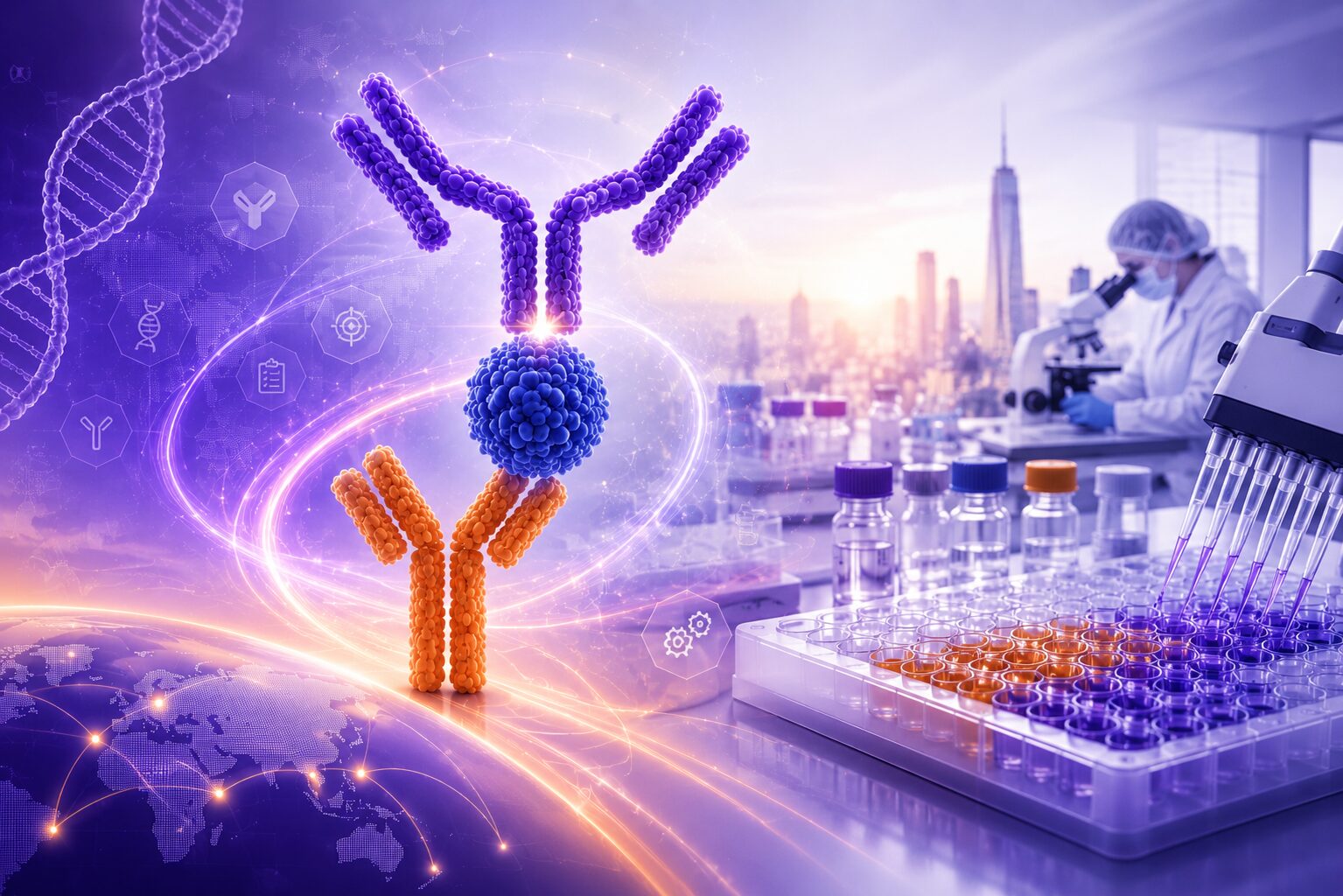
The history of life science advancement is closely tied to improvements in diagnostic capabilities.
Scientists cannot study what they cannot detect.
Many landmark discoveries in molecular biology and medicine became possible only after the development of increasingly sensitive analytical tools capable of identifying proteins, nucleic acids, metabolites, and cellular markers.
For example:
- PCR revolutionized molecular biology by enabling targeted DNA amplification.
- Flow cytometry transformed high-throughput cellular subset analysis.
- ELISA enabled large-scale quantitative protein detection.
- NGS unlocked comprehensive genome-wide profiling.
These technologies were not merely diagnostic tools; they became essential research instruments that accelerated scientific discovery across genetics, oncology, immunology, microbiology, and developmental biology.
Today, modern life science laboratories depend heavily on diagnostic platforms to generate reliable biological data.
Accelerating Precision Medicine
Perhaps the most significant contribution of IVD to life sciences lies in the rise of precision medicine.
Traditional medical approaches often treat patients with similar symptoms using standardized therapies. However, individuals can respond very differently to the same treatment due to genetic, molecular, and environmental factors.
IVD technologies provide the molecular insights necessary to stratify patients and guide personalized interventions.
Oncology
Companion diagnostics identify specific genetic mutations that determine eligibility for targeted cancer therapies.
Examples include:
- EGFR mutations in non-small cell lung cancer
- HER2 gene amplification in breast cancer
- BRAF V600 mutations in melanoma
- KRAS mutations in metastatic colorectal cancer
Without molecular diagnostic testing, targeted therapies would be significantly less effective and waste substantial clinical resources on non-responsive patients.
Rare Disease Diagnosis
Advanced genetic diagnostics shorten the long diagnostic odyssey for patients with rare inherited disorders, many of which previously went undiagnosed for 5 to 7 years on average.
Pharmacogenomics
Diagnostic testing can predict how patients metabolize specific drugs, reduce the risk of severe adverse drug reactions and improve individualized therapeutic outcomes.
As precision medicine continues to expand, IVD becomes increasingly central to patient-specific healthcare strategies.
Enabling the Genomics Revolution
The genomics revolution would not have occurred without diagnostic technologies.
The completion of the Human Genome Project marked the beginning of an era in which genetic information became a critical resource for understanding health and disease.
Modern molecular diagnostics now allow researchers and clinicians to:
- Sequence entire human genomes
- Detect germline and somatic genetic variants
- Identify disease-causing pathogenic mutations
- Analyze dynamic gene expression patterns
- Monitor disease progression and therapeutic response
The dramatic reduction in sequencing costs has accelerated adoption across both research and clinical settings.
According to data from the National Human Genome Technology Institute (NHGRI), the cost of sequencing a human genome has declined from approximately $100 million in 2001 to well below $1,000 today.
This extraordinary cost reduction has transformed genomics from a highly specialized research activity into a routine diagnostic tool.
As a result, genomics has become one of the fastest-growing sectors within life sciences.
Supporting Drug Discovery and Development
The pharmaceutical industry increasingly relies on IVD technologies throughout the full drug development pipeline.
Modern drug discovery is becoming more data-driven, biomarker-oriented, and patient-centric.
IVD contributes at every stage:
Target Identification
Diagnostic technologies help researchers pinpoint molecular pathways and driver genes associated with disease pathogenesis.
Biomarker Discovery
Biomarkers are critical surrogate endpoints for evaluating therapeutic efficacy and stratifying patient response.
Clinical Trial Enrollment
Diagnostic screening enables precise selection of eligible patient populations to improve trial success rates.
Companion Diagnostics
Many advanced therapeutics are now developed alongside matched companion diagnostic tests.
This co-development model improves clinical outcomes while increasing regulatory approval confidence.
The growing convergence of diagnostics and therapeutics has given rise to the concept of theranostics. Originally coined for radiopharmaceutical applications that integrate radionuclide imaging and targeted radiotherapy, the term is now broadly adopted across the industry to describe integrated diagnostic-therapy co-development, where diagnostic information directly guides therapeutic decisions.
Transforming Infectious Disease Management
The COVID-19 pandemic demonstrated the indispensable role of IVD in global public health.
Within weeks of identifying the SARS-CoV-2 virus, diagnostic developers produced scalable molecular testing solutions capable of detecting acute viral infections.
This unprecedented response highlighted the importance of robust diagnostic infrastructure in:
- Real-time disease surveillance
- Rapid outbreak detection
- Population-level epidemiological tracking
- Evidence-based public health decision-making
- Post-vaccination effectiveness monitoring
Beyond COVID-19, diagnostic technologies continue to support the prevention and control of diseases such as:
- Seasonal Influenza
- Drug-resistant Tuberculosis
- HIV/AIDS
- Viral Hepatitis
- Malaria
- Emerging zoonotic infectious pathogens
Rapid diagnostics have become essential tools for strengthening global health security and pandemic preparedness.
Driving Growth in Artificial Intelligence and Digital Biology
The future of life sciences increasingly depends on high-quality standardized biological data.
Artificial intelligence, machine learning, and computational biology require vast quantities of curated biological information for algorithm training and predictive analysis.
IVD systems generate some of the most structured, clinically annotated datasets in modern healthcare.
Diagnostic data supports:
- Predictive disease risk models
- Clinical decision support systems
- AI-powered digital pathology image analysis
- In silico drug discovery algorithms
- Large-scale population health analytics
Recent advances in AI-assisted pathology, radiomics, and multi-omics data fusion demonstrate how diagnostic data can unlock entirely new scientific insights.
In many respects, modern diagnostics serves as the core data acquisition layer of digital biology.
Expanding the Frontiers of Multi-Omics Technology
Life science research is increasingly moving beyond single-layer molecular analysis toward integrated multi-omics approaches.
These include:
- Genomics
- Transcriptomics
- Proteomics
- Metabolomics
- Epigenomics
- Microbiomics
IVD technologies provide the standardized analytical platforms necessary to generate, quantify and validate multi-omics datasets.
By integrating multiple biological dimensions, researchers gain a more comprehensive understanding of complex disease mechanisms, paving the way for novel therapeutic strategies and improved clinical outcomes.
Multi-omics is widely expected to become one of the defining trends shaping the future of life sciences and translational medicine.
Economic Impact of the IVD Industry
The influence of IVD extends beyond pure science and clinical medicine.
The global diagnostics market represents a vital economic engine supporting biotech innovation, precision manufacturing, high-skilled employment, and global healthcare infrastructure construction.
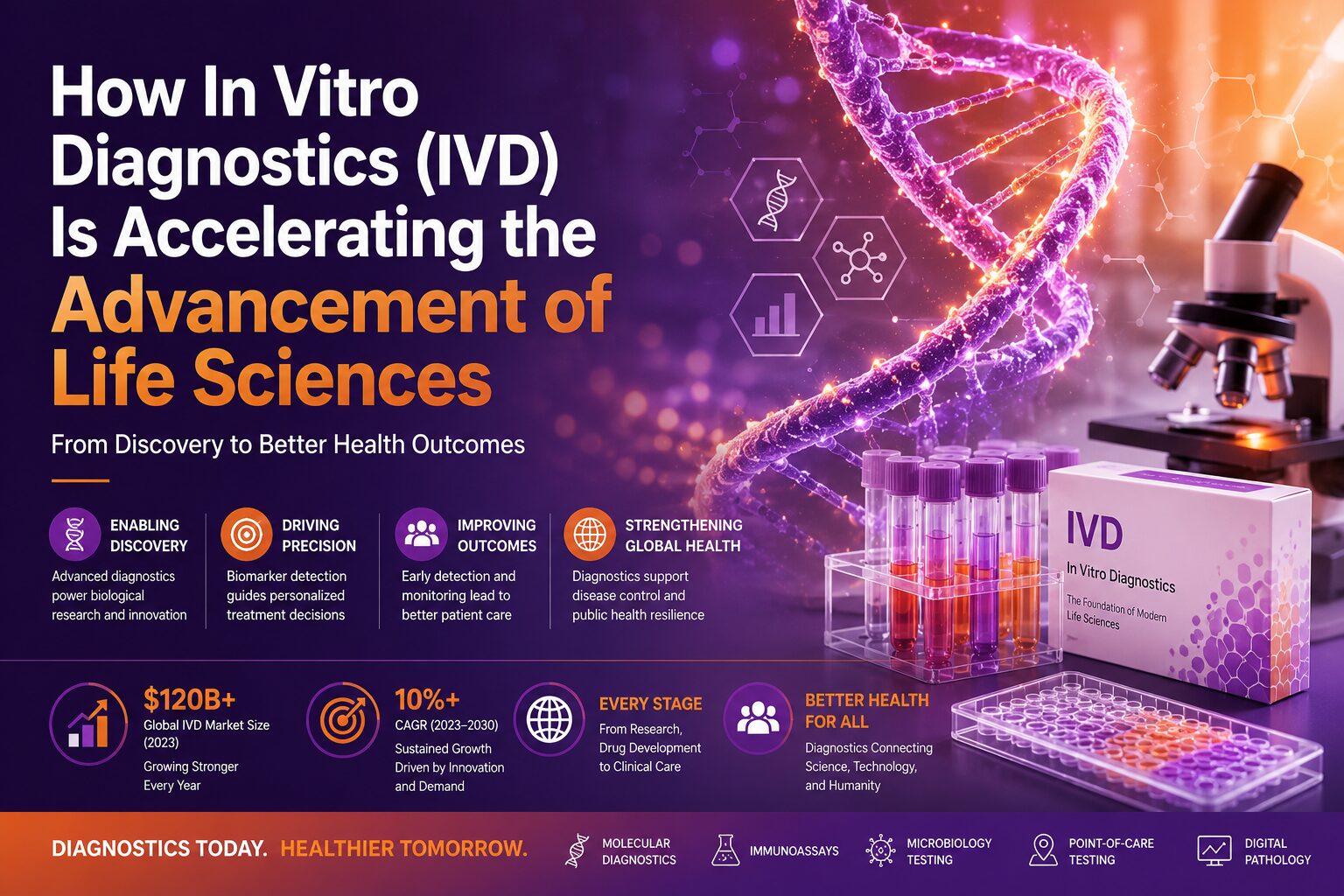
Per pre-2021 authoritative industry reports, the global IVD market exceeded $120 billion in annual revenue and continues steady expansion driven by:
- Global population aging
- Rising prevalence of chronic non-communicable diseases
- Accelerated penetration of precision medicine
- Growing healthcare expenditure across emerging and developed economies
- Continuous iterative technological innovation
Meanwhile, the broader life sciences industry generates several trillion dollars in annual global economic activity.
IVD functions as one of the most critical enabling upstream sectors within this entire ecosystem.
The Future: Diagnostics at the Center of Life Sciences
The relationship between diagnostics and life sciences is becoming increasingly inseparable.
Future breakthroughs are likely to emerge from the convergence of:
- Advanced molecular diagnostics
- Artificial intelligence & computational biology
- High-throughput genomics
- Connected digital health
- Mature precision medicine frameworks
- Next-generation cell and gene therapy
Emerging technologies such as liquid biopsy, spatial biology, single-cell sequencing, and AI-powered fully automated diagnostics are already reshaping how diseases are detected, classified and understood.
As global healthcare gradually shifts from late-stage reactive treatment toward proactive precision prevention, diagnostics will occupy an even more central position in routine medical decision-making.
In Vitro Diagnostics is far more than a standalone clinical testing industry. It is one of the fundamental engines driving progress across the entire life sciences landscape.
From enabling foundational biological discovery and accelerating end-to-end drug development to powering genomics, precision medicine, artificial intelligence and global infectious disease surveillance, IVD provides the critical quantitative data infrastructure upon which modern life sciences depend.
As scientific understanding of human biology continues to deepen and healthcare becomes increasingly personalized, the functional importance of IVD will only grow continuously.
The future of life sciences will not be defined solely by new therapies or groundbreaking biotechnology. It will be shaped equally by our ability to accurately measure, quantify, understand, and interpret complex biological systems—and that core capability originates from in vitro diagnostics.
Author Profile

- Written by the IVDCDMO technical and regulatory team, with expertise in diagnostic assay development, GMP manufacturing, ISO 13485 systems, and global IVD commercialization for biotech innovators worldwide.
Latest entries
 Assay DevelopmentSeptember 23, 2026CDMO Custom Development of Test Kits: From Assay Concept to Scalable IVD Manufacturing
- IVD ManufacturingJuly 24, 2026Manufacturing for IVD Products: From Assay Transfer to Reliable Commercial Supply
- IVD ManufacturingJuly 13, 2026IVD Contract Manufacturing Cost: NRE, Tooling, Validation, MOQ and Unit Economics
- KnowledgeJuly 6, 2026IVD CDMO vs CRO vs CMO: Which Partner Do You Need at Each Development Stage?